

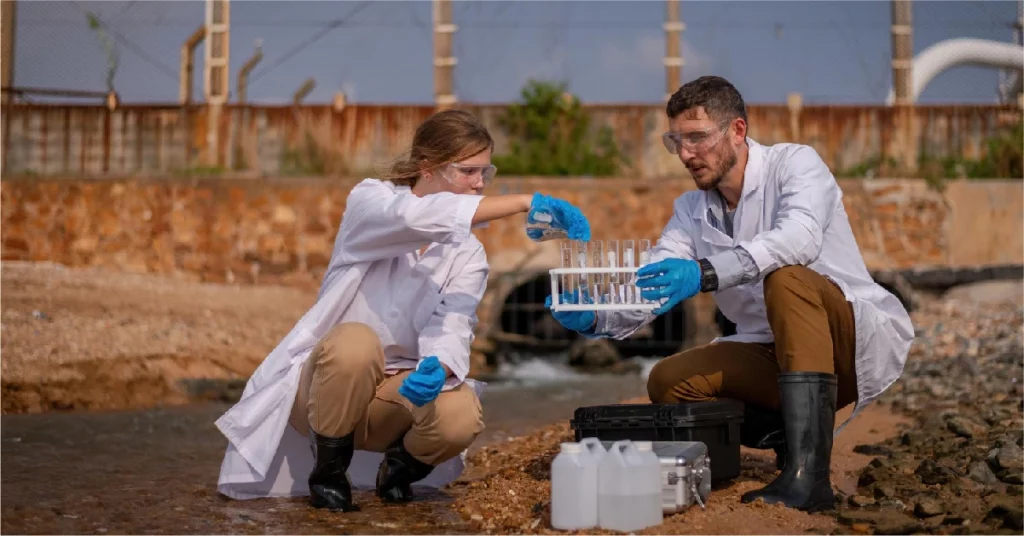
Access to clean and safe water is one of the most essential requirements for healthy communities and sustainable development. In Kenya, rapid urbanization, population growth, industrial expansion, and climate variability have increased pressure on existing water resources and sanitation systems. As a result, effective Water Treatment has become increasingly important for protecting public health and improving the overall quality of life.
Unsafe water can carry harmful microorganisms, chemicals, and contaminants that contribute to the spread of diseases and environmental pollution. Reliable water treatment systems help ensure safe drinking water, improve sanitation standards, and reduce health risks associated with contaminated water sources for communities across the country.
Modern treatment technologies and improved water, sanitation, and hygiene practices play a critical role in building healthier and more resilient communities across the country.
Why Water Treatment Is Important?
The water treatment’s importance extends far beyond simply improving the water’s appearance or taste.
Effective water treatment helps:
- Remove harmful contaminants
- Improve water quality
- Prevent disease transmission
- Protect public health
- Support sanitation systems
- Ensure safe drinking water access
Without proper treatment, contaminated water may expose communities to serious health and environmental risks.
Common Sources of Water Contamination
Water sources may become contaminated through:
- Untreated sewage discharge
- Industrial pollution
- Agricultural runoff
- Poor sanitation infrastructure
- Natural contaminants
- Flooding and environmental changes
These contaminants can affect both surface water and groundwater supplies used for domestic and municipal consumption.
Waterborne Diseases Prevention Through Water Treatment
One of the most important benefits of water treatment is the prevention of waterborne diseases.
Contaminated water may spread illnesses such as:
- Cholera
- Typhoid
- Dysentery
- Hepatitis
- Diarrheal infections
Proper water treatment removes bacteria, viruses, parasites, and harmful contaminants that contribute to disease outbreaks.
Effective water, sanitation, and hygiene systems are essential for reducing public health risks, especially in densely populated and underserved regions.
Role of Water Treatment in Health Protection
The role of water treatment in health protection is critical for both urban and rural communities.
Safe water helps:
- Improve overall community health
- Reduce healthcare burdens
- Lower child mortality rates
- Support hygiene and sanitation
- Improve nutrition and well-being
Access to clean water is directly linked to stronger public health outcomes and improved living conditions.
Safe Drinking Water Benefits for Communities
Providing safe drinking water benefits communities in several ways.
-
Reduced Disease Risk
Clean water lowers exposure to harmful pathogens and contaminants.
-
Improved Hygiene
Safe water supports proper handwashing, sanitation, and household hygiene practices.
-
Better Educational Outcomes
Healthy communities experience fewer water-related illnesses, improving school attendance and productivity.
-
Economic Benefits
Reduced illness helps lower healthcare costs and improves workforce productivity.
These clean water health benefits contribute significantly to long-term social and economic development.
Water Purification Benefits in Modern Water Systems
Modern water purification systems use advanced technologies to improve water quality and remove contaminants effectively.
Common treatment processes include:
- Filtration systems
- Sedimentation
- Chlorination and disinfection
- Reverse osmosis systems
- UV treatment technologies
- Membrane filtration systems
These technologies help maintain safe drinking water standards while improving water reliability.
Public Health and Water Quality
There is a direct connection between public health and water quality.
Poor water quality may lead to:
- Disease outbreaks
- Malnutrition
- Sanitation challenges
- Environmental degradation
Investments in water treatment infrastructure help strengthen national healthcare systems and improve overall community resilience.
Governments and utilities increasingly prioritize clean water initiatives as part of broader public health strategies.
Importance of Water, Sanitation, and Hygiene
Water, sanitation, and hygiene programs are essential for preventing contamination and protecting water supplies.
Effective sanitation systems help:
- Prevent sewage contamination
- Reduce disease transmission
- Improve environmental cleanliness
- Protect groundwater and rivers
Combining a safe water supply with proper hygiene practices creates healthier and safer communities.
Challenges Facing Water Treatment in Kenya
Kenya continues to face several water-related challenges, including:
- Limited access to clean water in some regions
- Aging water infrastructure
- Seasonal drought conditions
- Pollution from urban and industrial activities
- Increasing population demand
Addressing these issues requires investment in modern water treatment technologies and smart monitoring systems that enable real-time water quality management.
Sustainable Water Treatment Solutions
Sustainable water treatment strategies focus on:
- Water conservation
- Efficient treatment technologies
- Wastewater recycling
- Smart monitoring systems
- Community-based water management
Integrated solutions help improve long-term water security while supporting environmental sustainability.
Ion Exchange Solutions for Safe Water
Ion Exchange provides advanced water treatment and purification solutions designed to improve water quality and support public health initiatives.
Their offerings include:
- Drinking water treatment systems
- Water purification technologies
- Community water treatment plants
- Industrial and municipal treatment systems
- Water recycling solutions
- Advanced filtration and membrane systems
Using innovative treatment technologies and sustainable engineering solutions, Ion Exchange helps communities and industries improve access to safe and reliable water supplies.
Conclusion
The importance of Water Treatment in protecting public health cannot be overstated. Clean and safe water is essential for preventing diseases, improving hygiene, supporting economic growth, and enhancing overall quality of life.
As Kenya continues strengthening its water infrastructure and sanitation systems, investments in advanced water treatment technologies and sustainable water management solutions will remain critical for ensuring healthier communities and long-term water security.
By prioritizing safe drinking water, sanitation, and hygiene, and efficient treatment systems, the country can build a healthier and more sustainable future for generations to come.
FAQs
1. Why is water treatment important for public health?
Water treatment removes harmful contaminants and helps prevent waterborne diseases, improving overall community health.
2. What diseases can contaminated water cause?
Unsafe water can spread diseases such as cholera, typhoid, dysentery, and diarrheal infections.
3. What are the benefits of safe drinking water?
Safe drinking water improves health, supports hygiene, reduces disease risks, and enhances quality of life.
4. How do water purification systems improve water quality?
They remove bacteria, viruses, sediments, chemicals, and dissolved impurities from water sources.
5. How does Ion Exchange support safe water initiatives?
Ion Exchange provides advanced water treatment, purification, and sustainable water management solutions for communities and industries.